

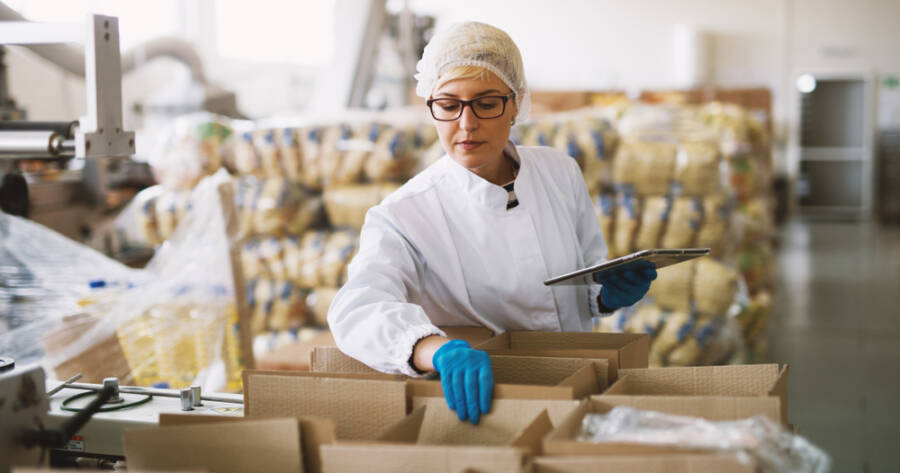
Food packaging and processing are vital in ensuring the safety, freshness, and appeal of products from production to consumption. With the FDA’s stringent regulations, the industry balances safety with innovation, sustainability, and consumer expectations. Understand the evolving landscape of packaging materials, compliance, and sustainable solutions shaping the future of the food industry.
The Role of Food Packaging and Processing
Food packaging and processing are critical components in the food industry, ensuring that products remain safe, fresh, and appealing from production to consumption (source). The Food and Drug Administration (FDA) plays a pivotal role in regulating these processes to maintain safety standards.
The FDA oversees the safety of both ingredients added directly to food and substances that come into contact with food, such as packaging materials and cookware. This regulatory oversight ensures that all food products meet a standard of safety with a reasonable certainty of no harm under intended use conditions (source).
Importance of Food Packaging
Food packaging serves multiple purposes beyond just containing food. It is essential for maintaining product quality and safety, and it also acts as a tool for branding and sustainability.
The evolution of food packaging has seen significant innovations, from ancient natural materials to modern advancements like glass, metal, and plastics. These developments have been crucial in ensuring the safety, freshness, and accessibility of food products from production to consumer purchase (source).
Types of Food Packaging Materials
Various materials are used in food packaging, each with its pros and cons. Common materials include plastics, paper, compostable fiber, metal, and glass. Each material offers different benefits in terms of durability, recyclability, and environmental impact.
For instance, plastics are categorized into seven types based on their chemical structure, each with specific applications and environmental considerations. The choice of packaging material involves considering the type of food, environmental impact, and safety regulations (source).
FDA Regulations and Compliance
Compliance with FDA regulations is mandatory for selling food in the U.S. The FDA ensures that food packaging is safe to prevent illness and establish trust between consumers and businesses. All materials that come into contact with food must be FDA-approved to ensure they do not alter the taste, odor, or safety of the food. Businesses must submit a Food Contact Notification (FCN) for new materials to verify their safety. Additionally, food packaging must include clear and honest labels detailing the product, ingredients, nutritional information, and potential allergens (source).
Sustainable Packaging Solutions
With increasing environmental awareness, there is a growing demand for sustainable packaging solutions. Compostable fiber packaging, made from renewable sources like bamboo and sugarcane, offers an eco-friendly alternative. Businesses are encouraged to adopt sustainable practices to reduce their carbon footprint and appeal to environmentally conscious consumers.
Consumers are increasingly demanding sustainable packaging, with many willing to pay a premium for eco-friendly options. This trend underscores the importance for companies to invest in innovative, environmentally responsible packaging solutions to meet consumer demands and enhance brand reputation (source).
Why You Should Learn More About Food Packaging and Processing Today
Understanding the intricacies of food packaging and processing is crucial for anyone involved in the food industry. From ensuring compliance with FDA regulations to adopting sustainable packaging solutions, these elements play a significant role in maintaining food safety and meeting consumer expectations.
As the industry continues to evolve, staying informed about the latest trends and technologies can help businesses remain competitive and responsive to consumer demands. By prioritizing safety, sustainability, and innovation, companies can enhance their brand reputation and contribute to a healthier, more sustainable food system.