

HVAC systems are essential for maintaining indoor comfort by regulating temperature and air quality. Understanding key components, various system types, and their maintenance is crucial for efficiency and cost savings. With options ranging from traditional to geothermal, informed choices enhance home value and sustainability. Understand how professional services can optimize key systems for a more comfortable living environment.
Understanding the Basics of HVAC Systems
Heating, Ventilation, and Air Conditioning (HVAC) systems are vital for maintaining indoor comfort by regulating temperature and air quality. HVAC systems encompass various components that work together to manage heating and cooling. Key elements like refrigerants, evaporator coils, compressors, and condensers play pivotal roles in the system’s efficiency.
Understanding these components can significantly enhance a homeowner’s ability to maintain system efficiency and comfort. Central to this understanding is recognizing that HVAC systems control both temperature and air quality, making them indispensable for home management.
Components and Their Functions
The basic components of an HVAC system include the thermostat, furnace, and heat pump. The thermostat is crucial as it activates the heating or cooling system based on user preferences, ensuring optimal indoor climate control. Meanwhile, furnaces and burners operate together to heat air before it is circulated through the home via ductwork, effectively warming different areas.
Boilers, on the other hand, use water or steam to transfer heat to radiators, common in older buildings. Importantly, the capacity of air conditioners and heat pumps to manage indoor temperatures during seasonal changes underscores their versatility.
Types of HVAC Systems
Various HVAC system types cater to different climatic needs and homeowner preferences. The options include traditional split systems, which are common due to their familiarity, and hybrid split systems, which offer increased energy efficiency. Ductless mini-splits serve as an ideal solution for homes lacking ductwork, while packaged systems combine heating and cooling elements into one unit.
Additionally, geothermal systems provide sustainable temperature control by utilizing stable ground temperatures. Each system offers unique advantages and limitations, requiring homeowners to evaluate the best fit for their spaces.
Regular Maintenance and Its Importance
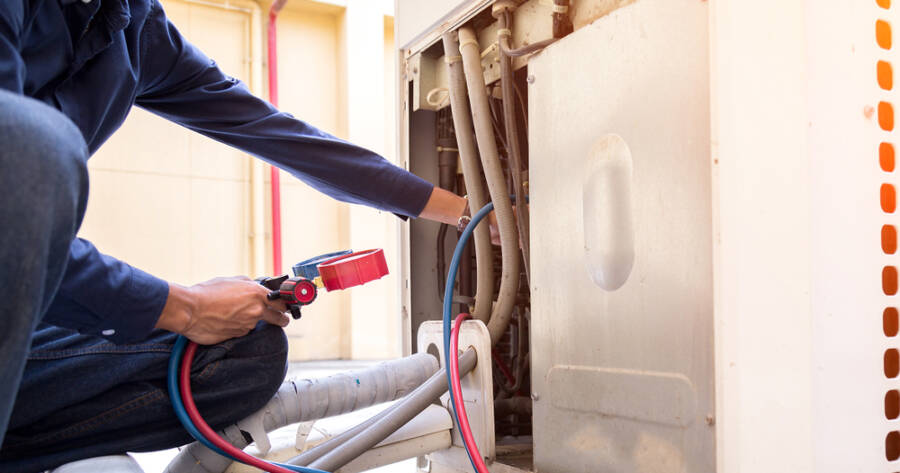
Regular maintenance of an HVAC system is crucial for ensuring its efficiency and longevity. Simple tasks like replacing air filters every six weeks and removing debris from around the air conditioning unit can significantly impact performance. Heating and cooling systems should be serviced by professionals twice a year to ensure optimal operation.
These services can identify issues like strange noises, uneven temperatures, or weak airflow that might indicate a need for repair. Licensed technicians are recommended for complex repairs to ensure safety and accuracy in system functionality.
Energy Efficiency and Cost Savings
Investing in energy-efficient HVAC systems and components, such as programmable thermostats, can result in substantial cost savings over time. Although these systems may involve higher initial costs, they contribute to long-term savings by reducing utility bills.
Moreover, homeowners may benefit from rebates and incentives offered for energy-efficient upgrades. These improvements not only enhance comfort but also reflect a commitment to environmental sustainability.
Why You Should Learn More About HVAC Systems Today
Understanding HVAC systems is not only beneficial for managing home comfort efficiently but also for making informed decisions about system upgrades and maintenance. With a myriad of options available—from traditional split systems to geothermal methods—homeowners can tailor their choices to suit specific climate needs and preferences.
Regular maintenance and the adoption of energy-efficient technologies can provide enduring benefits, including cost savings and increased home value. Engaging with professional services for routine checks ensures that the system operates optimally, ultimately contributing to a more comfortable and sustainable living environment. Staying informed about these basics is pivotal for homeowners aiming to enhance home efficiency and comfort.