

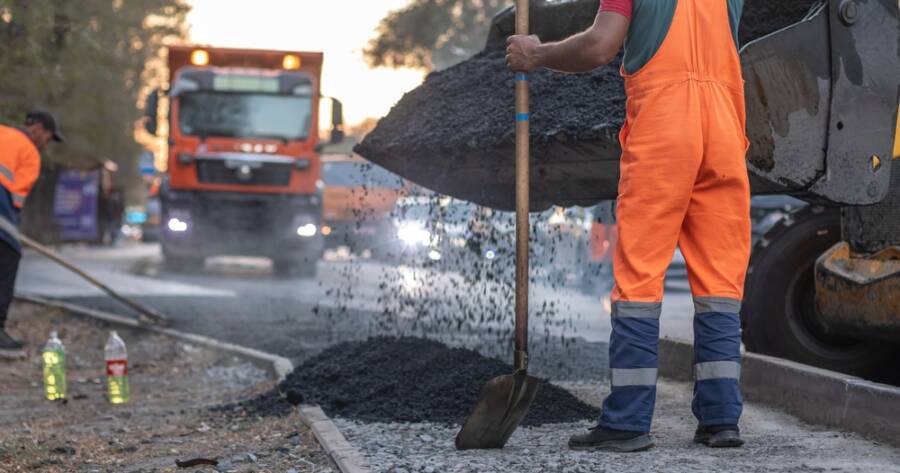
Asphalt paving is a cornerstone of U.S. infrastructure, covering over 90% of roads due to its durability, cost-effectiveness, and environmental benefits. From residential driveways to commercial lots, its versatility and ability to handle heavy traffic make it indispensable. Understand the types, maintenance, and economic impact of asphalt paving, and its role in sustainable development.
The Importance of Asphalt Paving in Infrastructure
Asphalt paving plays a crucial role in the infrastructure of the United States, with over 90% of roads surfaced with this material (source). Its dominance is attributed to its durability, cost-effectiveness, and environmental benefits, making it a preferred choice for both roads and driveways (source). Asphalt’s versatility allows it to be used in various applications, from residential driveways to commercial parking lots, and its ability to withstand heavy traffic loads makes it ideal for high-traffic areas (source).
Durability and Cost-Effectiveness
One of the primary reasons asphalt is favored in paving projects is its durability. When installed by experienced contractors and maintained properly, asphalt can last between 20 to 30 years (source). This longevity is enhanced by its ability to expand and contract with temperature changes, reducing the risk of cracking (source).
Additionally, asphalt is cost-effective, with lower initial installation costs compared to materials like concrete. It requires less labor and cures quickly, minimizing downtime for businesses and reducing long-term maintenance costs.
Environmental and Safety Benefits
Asphalt is not only durable and cost-effective but also environmentally friendly. It is 100% recyclable, which reduces waste and the demand for new raw materials. This sustainability aligns with the goals of creating livable communities (source).
Moreover, asphalt’s smooth and skid-resistant surface improves safety for vehicles and pedestrians. Its dark color enhances the visibility of road markings, and regular maintenance prevents potholes and uneven surfaces, further enhancing safety (source).
Types of Asphalt and Their Applications
Different types of asphalt mixes cater to various environmental conditions and project requirements. Hot mix asphalt (HMA) is engineered for roads to withstand heavy traffic loads, while driveway asphalt is designed for lighter use, providing a smoother surface suitable for residential applications (source). Each type of asphalt has specific benefits, such as cold mix for pothole repairs and hot mix for high-traffic areas, ensuring that the right material is used for the right application (source).
Maintenance and Longevity
Regular maintenance is essential to prolong the life of asphalt surfaces. Preventative measures like seal coating, crack sealing, and resurfacing help prevent oxidation, water penetration, and UV damage. These tasks are crucial for maintaining the structural integrity and appearance of asphalt, making it a long-term investment for both roads and driveways (source). The use of advanced equipment in asphalt installation also contributes to the quality and longevity of the pavement, ensuring precise and efficient application (source).
Why You Should Learn More About Asphalt Today
Asphalt paving is a vital component of America’s infrastructure, offering numerous benefits such as durability, cost-effectiveness, and environmental sustainability. Understanding the different types of asphalt and their applications can help in selecting the appropriate material for specific projects, whether for roads or driveways. Additionally, the asphalt industry provides a variety of job opportunities, contributing significantly to the economy. By learning more about asphalt paving, individuals can appreciate its role in creating livable communities and its importance in future infrastructure development.