

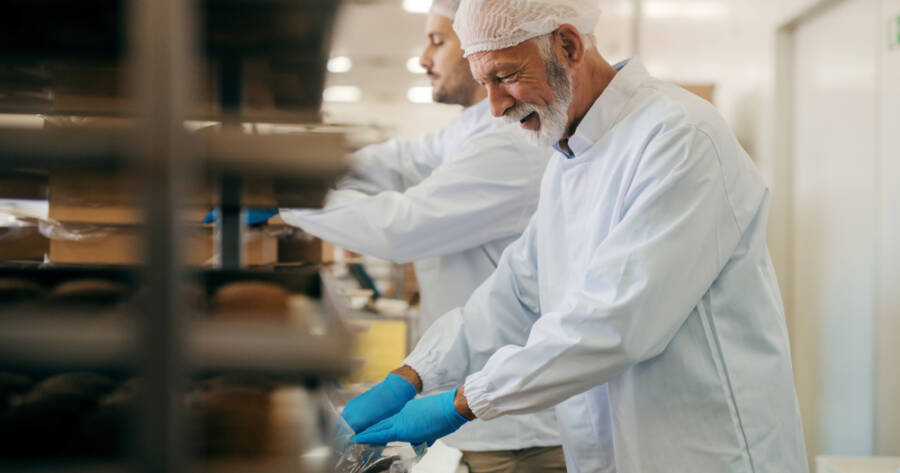
The food packaging and manufacturing industry serves as a vital link between agriculture and consumers, significantly impacting the global economy. Key roles such as food scientists, quality control inspectors, machine operators, maintenance technicians, and packaging specialists ensure product safety and efficiency. Understand the essential roles shaping the dynamic sector of food packaging and their contribution to food production.
Understanding Key Job Roles in Food Packaging and Manufacturing Plants
The food manufacturing and packaging industry plays a critical role in the global economy, offering a wide range of job positions that ensure the transformation of raw ingredients into finished products. This industry is essential for linking agriculture to consumers, affecting sectors ranging from pharmaceuticals to retail with its significant economic impact.
Several key job roles make up the backbone of food packaging and manufacturing plants. They include food scientists, quality control inspectors, machine operators, maintenance technicians, and packaging specialists who are all integral in maintaining efficiency and safety throughout the production process.
Food Scientists and Quality Control Inspectors
Food scientists are primarily responsible for researching and developing ways to improve the process of turning raw materials into consumable goods. They focus on enhancing food safety, nutritional value, and taste. This role typically requires advanced education in food science or a related field. Their work ensures compliance with health regulations and contributes to the advancement of food production techniques.
Quality control inspectors, on the other hand, ensure that the products meet the highest safety and quality standards before reaching consumers. They are tasked with identifying defects or inconsistencies in products and processes, ensuring that all stages of production adhere to industry regulations. This ensures that food safety standards are maintained and that products are consistently of high quality throughout the entire production chain.
Machine Operators and Maintenance Technicians
Machine operators are crucial in food manufacturing plants as they manage the machinery used in the production and packaging process. These roles often require technical skills and a focus on reducing downtime. Operators must ensure that all equipment runs efficiently and safely, facilitating the smooth progression of food products from raw material to final packaging.
Maintenance technicians are essential for troubleshooting and repairing any equipment malfunctions. Their expertise helps minimize downtime and maintain efficient production workflows, ensuring that machines are always in good repair and capable of meeting the manufacturing plant’s demands by relying on specific technical expertise.
Packaging Specialists
Packaging specialists play a vital role by focusing on the final stages of product completion. They ensure that food products are correctly packaged, which involves maintaining precise packaging standards to ensure safety and quality during transit and storage. Additionally, they contribute to the sustainable packaging movement, factoring in environmental concerns and cost-efficiency of materials and methods used.
Training and Career Prospects
Careers in food manufacturing often start with entry-level positions that provide practical training and opportunities for career advancement. Machine operators and production workers can gain experience and move up the career ladder through practical experience. Meanwhile, higher-level positions like food scientists or maintenance specialists may require specific educational backgrounds or training.
On-the-job training (OJT) is a crucial aspect of career development within the industry, proving valuable for both employees and employers alike. OJT can significantly enhance productivity and quality, reduce turnover, and offer clear career advancement paths. Formal training programs, mentorship, and cross-functional skill enhancements are all components of effective OJT programs. These can lead to better job performance and are essential for adapting to industry innovations as the sector evolves.
Why You Should Learn More About Food Manufacturing Jobs Today
Learning about the various roles within food manufacturing provides valuable insights into a dynamic industry that’s indispensable to the economy. As these jobs impact not just what reaches supermarket shelves but also intersect with technological advancements and sustainability efforts, understanding them can be rewarding for career planning or standing out in a competitive job market.
Embracing these roles can contribute to personal and professional growth while supporting the evolution of food technology and safety standards, thereby offering both stability and advancement opportunities. Whether you are just entering the workforce or seeking to specialize, the food manufacturing sector presents numerous pathways rich with potential for future success.