

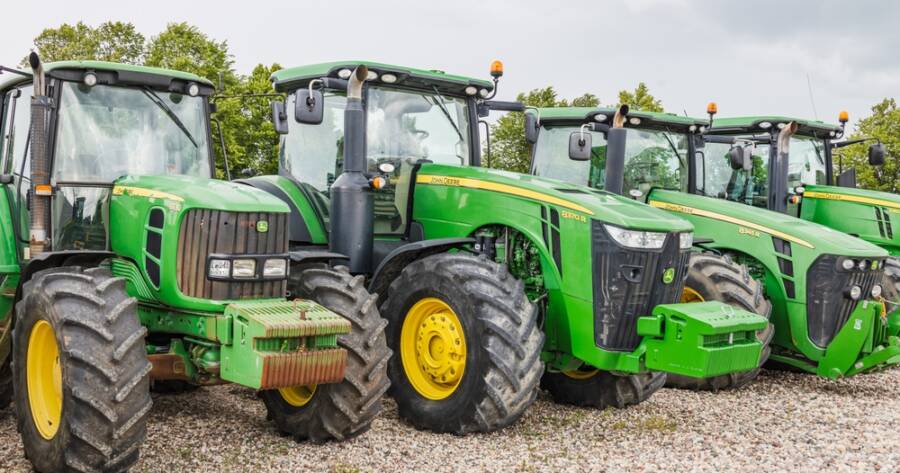
Purchasing used heavy equipment presents a strategic opportunity for businesses to maximize their budgets while maintaining operational efficiency. With benefits like reduced depreciation and reliable performance, used machinery offers a cost-effective alternative to new equipment. Understand key considerations, shopping steps, financing options, and seller evaluations that equip businesses with the knowledge to make informed investment decisions.
Understanding the Benefits of Buying Used Heavy Equipment
Purchasing used heavy equipment offers numerous advantages, making it an attractive option for businesses looking to optimize their budgets. One of the primary benefits is the limited depreciation that used machinery undergoes.
Unlike new equipment, which depreciates rapidly, used machinery has already experienced significant depreciation, stabilizing its value. This makes it a cost-effective choice for businesses, as it retains excellent resale value and ensures consistent operations. Properly maintained used equipment can perform as reliably as new machines, minimizing downtime and enhancing worksite efficiency (source).
Key Considerations When Purchasing Used Equipment
When buying used heavy equipment, conducting a thorough inspection is crucial to avoid high maintenance costs and ensure the machinery meets business needs. Important factors to consider include the equipment’s age, history, proper documentation, fluid checks, and previous operating hours.
These elements help determine the machine’s condition and potential future repair costs. Additionally, understanding the machine’s previous application and geographical location is essential, as these factors influence wear and tear and overall machine condition (source).
Steps to Shop for Used Heavy Equipment
The process of purchasing used heavy equipment involves several steps. First, finding a reputable dealer is essential, as they can provide support and access to financial programs and warranties, reducing maintenance and repair costs.
Next, determining fleet and project requirements, analyzing work site conditions, understanding the cost of used equipment, and assessing the necessary technology are crucial steps. A detailed inspection checklist is also vital for evaluating used heavy equipment, examining areas such as wear and tear warning signs, engine exhaust, cab condition, and the accuracy of machine operations (source).
Exploring Financing Options for Used Equipment
Financing options, such as equipment financing or rent-to-buy programs, can alleviate the upfront cost of purchasing used machinery. These options provide flexible solutions, quick funds, and fewer fees, supporting business growth and profitability. By partnering with a trusted dealer, businesses can access these financial programs, making it easier to invest in high-quality used equipment without straining their budgets (source).
Evaluating Equipment Sellers and Sources
Used heavy equipment can be purchased from various sources, including equipment dealers, contractors, and auction houses. Each source has its pros and cons; dealers and contractors often provide more information and negotiation opportunities, while auctions may offer lower prices but come with higher risks due to unknown machine histories.
Before purchasing, it’s important to research the seller’s reputation, verify their business credentials, and seek references or customer reviews. Reliable sellers should provide detailed information about the equipment, including high-quality photos and videos, and be transparent about the machine’s history and condition (source).
Why You Should Learn More About Used Equipment Guide
Understanding the intricacies of purchasing used heavy equipment can significantly benefit businesses by optimizing their investment and ensuring operational efficiency. By considering factors such as depreciation, inspection, financing options, and seller evaluation, businesses can make informed decisions that align with their project needs and budget constraints.
Exploring platforms like MachineFinder and Iron Listing can provide access to a wide range of reliable secondhand machinery, enhancing the purchasing experience. As the market for used equipment continues to grow, staying informed about the latest trends and best practices is essential for making successful investments in this sector.